

Introduction to Egg Packaging Machine
Egg packaging is a crucial final step in the poultry supply chain that protects fragile eggs during transportation, enhances product presentation, and meets market standards for safety and quality. The Egg Packaging Machine automates this essential process, offering speed, consistency, and reduced labor costs for poultry farms, egg processing plants, and packing facilities.
Traditional manual egg packaging is inefficient, prone to human error, and increases the risk of egg breakage and contamination. Modern egg packaging machines provide tailored packaging solutions for different egg sizes and packing materials, such as cartons, trays, and boxes. They are designed to handle high volumes with minimal damage and ensure compliance with food safety regulations.
This article offers a comprehensive overview of Egg Packaging Machines, detailing their technical specifications, features, advantages, application scenarios, operating instructions, maintenance, common issues, and frequently asked questions (FAQ). The content is fully optimized to enhance Google search rankings and attract targeted industry traffic.
What Is an Egg Packaging Machine?
An Egg Packaging Machine is an automated system that packs eggs into cartons, trays, or boxes, ensuring secure placement and protection. These machines may include features such as egg orientation, counting, filling, sealing, labeling, and carton stacking.
Egg packaging machines vary from semi-automatic units for small farms to fully automated packaging lines integrated with egg grading and sorting systems for industrial-scale operations. The goal is to improve packing efficiency, reduce egg damage, and provide standardized packaging for retail or wholesale markets.
Technical Parameters of Egg Packaging Machines
Egg packaging machines differ based on capacity, automation level, packaging types, and customization options. Common parameters include:
1. Capacity
Small models: 1,000–3,000 eggs per hour
Medium models: 5,000–15,000 eggs per hour
Large models: 20,000–60,000+ eggs per hour
2. Packaging Types
Cardboard egg cartons (6, 10, 12, 15 eggs)
Plastic trays and boxes
Customized packaging for specialty eggs
3. Machine Dimensions
Vary by model; typical footprint ranges from 2m x 1.5m to 8m x 3m
4. Power Supply
Voltage: 220V / 380V
Frequency: 50Hz / 60Hz
Power consumption: 1.5–5 kW depending on capacity
5. Materials
Food-grade stainless steel frame
Plastic and rubber parts for egg handling
Pneumatic or servo motors for precise control
6. Control System
PLC (Programmable Logic Controller)
Touchscreen Human-Machine Interface (HMI)
Automated fault detection and alarms
7. Additional Features
Egg orientation and placement
Counting and filling accuracy
Carton folding and sealing
Labeling and coding (optional)
Key Features of Egg Packaging Machines
1. High Speed and Efficiency
Capable of packaging thousands of eggs per hour with consistent accuracy.
2. Gentle Egg Handling
Specialized egg trays and cushioning mechanisms minimize breakage.
3. Versatile Packaging Options
Supports various carton sizes and materials for different market demands.
4. Automation and Integration
Can be integrated with egg grading, sorting, and washing lines.
5. User-Friendly Operation
Touchscreen controls and programmable settings simplify operation.
6. Hygienic and Easy to Clean
Food-safe materials and design allow thorough cleaning and maintenance.
7. Durable and Stable
Robust construction for long-term reliable operation.
Advantages of Using Egg Packaging Machines
1. Reduced Labor Costs
Automates manual packing, decreasing labor requirements and costs.
2. Improved Packaging Consistency
Ensures uniform egg placement and packaging quality.
3. Minimized Egg Damage
Reduces breakage during packing and transportation.
4. Increased Production Capacity
Supports large-scale operations with continuous high-speed packaging.
5. Enhanced Product Presentation
Professional packaging improves brand image and marketability.
6. Compliance with Safety Standards
Food-grade materials and hygienic design meet regulatory requirements.
Application Scenarios
1. Commercial Poultry Farms
Automate packing for efficient shipment and sales.
2. Egg Grading and Packing Centers
Integrated with grading machines for streamlined processing.
3. Egg Processing Plants
Complete processing lines including washing, grading, packaging.
4. Exporters
Standardized packaging for international markets.
5. Small and Medium-Sized Farms
Compact semi-automatic packaging machines for growing businesses.
Installation and Operating Instructions
Installation
Select a clean, stable site with sufficient space for the machine.
Connect power supply and ensure proper grounding.
Assemble parts according to manufacturer guidelines.
Calibrate sensors and test operation before full use.
Operation
Power on the machine and initialize controls.
Load empty cartons/trays into the machine.
Feed eggs manually or via automated conveyors.
Monitor packaging accuracy and egg placement via HMI.
Collect packaged cartons from the output conveyor.
Safety Tips
Keep hands away from moving parts.
Do not overload machine beyond rated capacity.
Follow electrical safety protocols and emergency stop procedures.
Maintenance and Cleaning
Daily
Clean egg-contact surfaces and conveyors.
Remove debris and check for wear.
Weekly
Inspect pneumatic systems and lubricate moving parts.
Check sensors and calibrate if needed.
Periodically
Full system diagnostics and software updates.
Replace worn components and test safety systems.
Regular maintenance ensures longevity and consistent performance.
Common Problems and Solutions
Egg breakage during packaging | Improper handling or misalignment | Adjust cushioning, realign trays |
Machine stops unexpectedly | Electrical fault or overload | Check power supply, reset safety switches |
Inconsistent carton filling | Sensor malfunction or jams | Clean sensors, clear jams |
Packaging speed fluctuation | Air pressure or motor issues | Check pneumatic system, service motors |
Frequently Asked Questions (FAQ)
Q1: Can the machine pack different egg carton sizes?
A1: Yes, most machines support multiple carton sizes with adjustable settings.
Q2: What is the typical power consumption?
A2: Usually ranges from 1.5 kW to 5 kW depending on capacity.
Q3: Is special training required to operate?
A3: Basic operator training is recommended; interfaces are user-friendly.
Q4: How long is the machine’s service life?
A4: With proper maintenance, 10+ years.
Q5: Can the machine be integrated with grading systems?
A5: Yes, many models support integration for seamless egg processing lines.
SEO Keyword Strategy
Core Keywords:
Egg Packaging Machine
Automated Egg Packing Machine
Egg Carton Packaging Machine
Egg Tray Packaging Equipment
Poultry Egg Packaging Machine
Long-Tail Keywords:
High-speed egg packaging machine
Egg packing machine for commercial farms
Automated egg carton packing system
Egg packaging and sealing machine
Future Trends in Egg Packaging Technology
Integration with AI for quality monitoring during packaging.
Increased automation with robotic loading and palletizing.
Eco-friendly packaging materials and sustainable designs.
IoT-enabled remote monitoring and predictive maintenance.
Conclusion
The Egg Packaging Machine is a vital investment for poultry farms and egg processing enterprises aiming to increase efficiency, reduce labor costs, and ensure product safety. With automated, high-speed, and gentle egg packing, businesses can achieve standardized packaging that meets market and regulatory demands.
Choosing the right egg packaging machine tailored to your production scale and market needs will enhance your competitive edge and support sustainable growth.
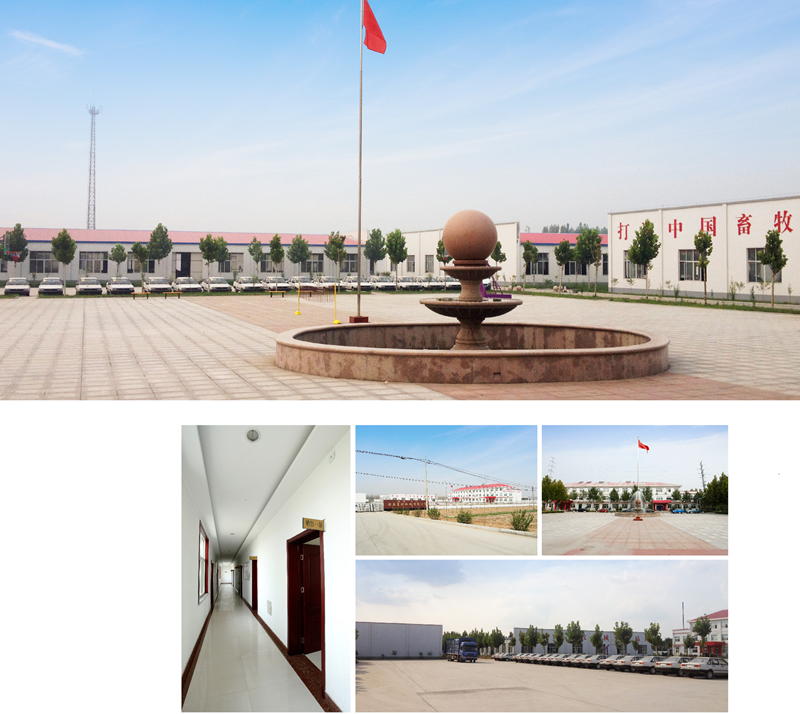
Shandong Huimin Qinle Livestock Machinery Co., Ltd. (formerly Shandong Huimin Qinle Livestock Machinery Factory) is a professional poultry equipment manufacturer with over 20 years of experience. We offer a comprehensive service package, from design (land and chicken coops), production (equipment and prefabricated steel coops), installation, commissioning, customer training, and after-sales service.
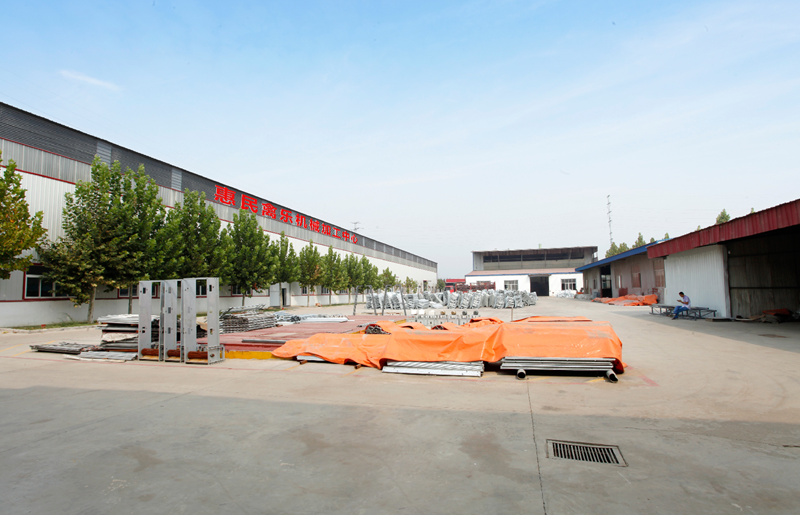
Located in Huimin County, Binzhou City, Shandong Province, China, the company has extensive experience in mechanical processing and manufacturing, as well as livestock machinery production and operation. With fixed assets of RMB 15 million, the company employs 160 people, including 30 R&D staff, and occupies a 40,000-square-meter factory. Equipped with over 110 pieces of advanced precision production equipment, including CNC machining centers and laser cutting machines, the company boasts a production capacity of RMB 50 million.
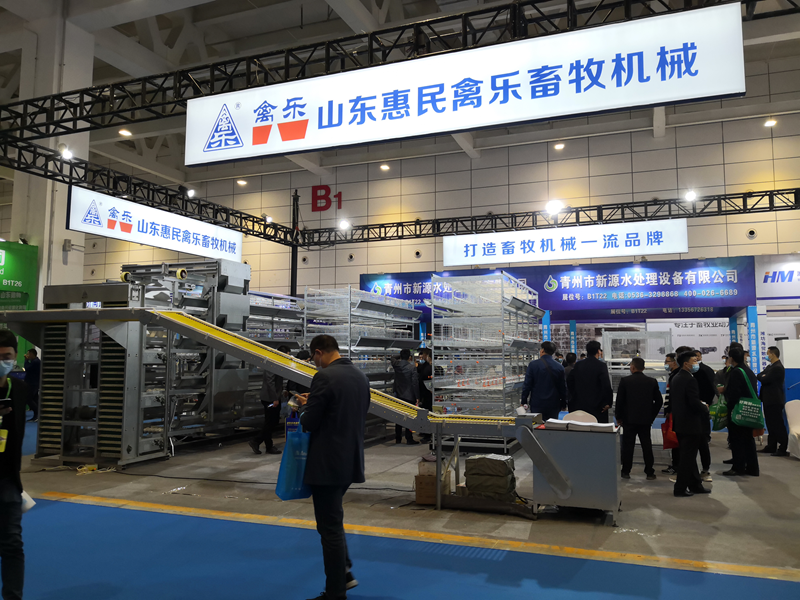
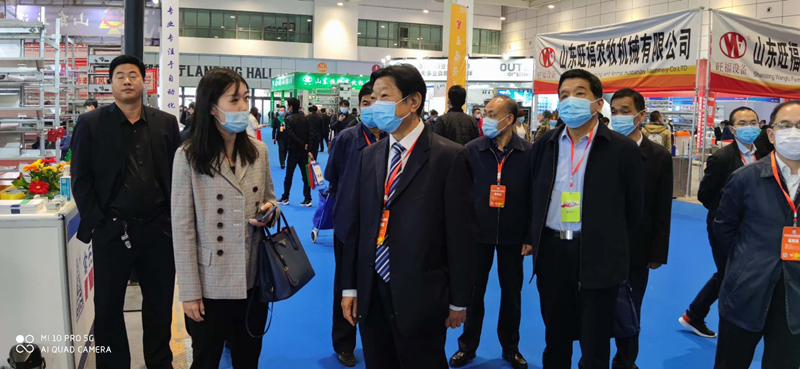
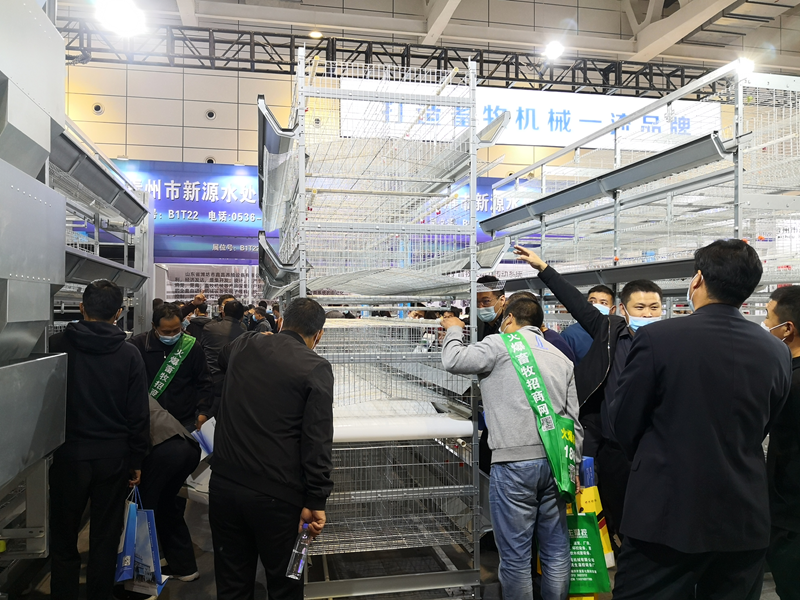
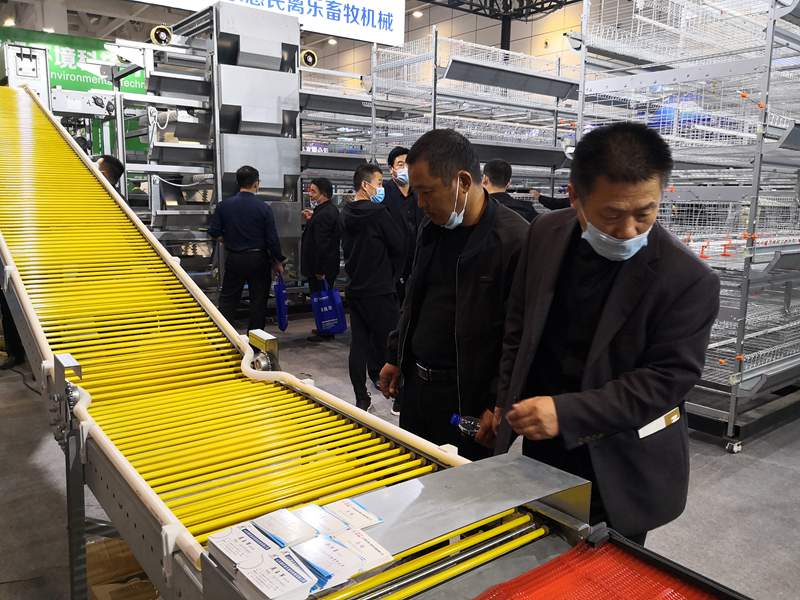
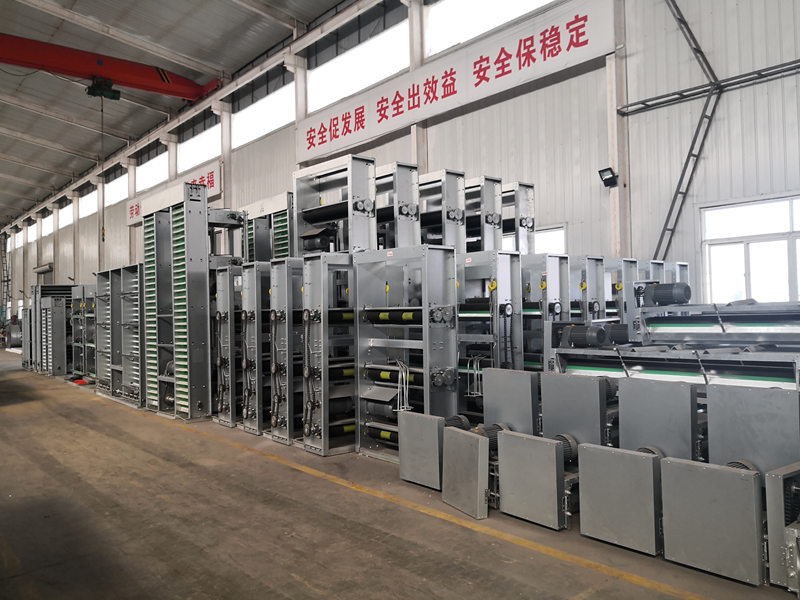
Chicken Farming Equipment Mesh Production Workshop

Machining Workshop
Turret-type CNC Punch Press, Laser Cutting and Other Machining Equipment
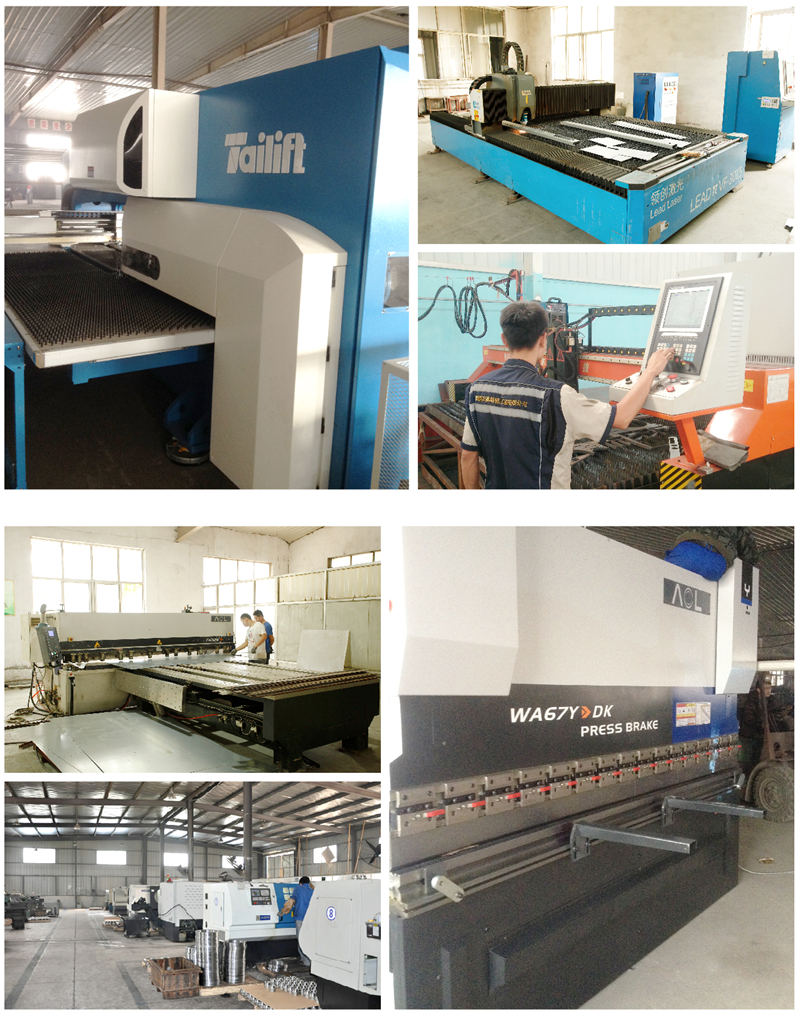
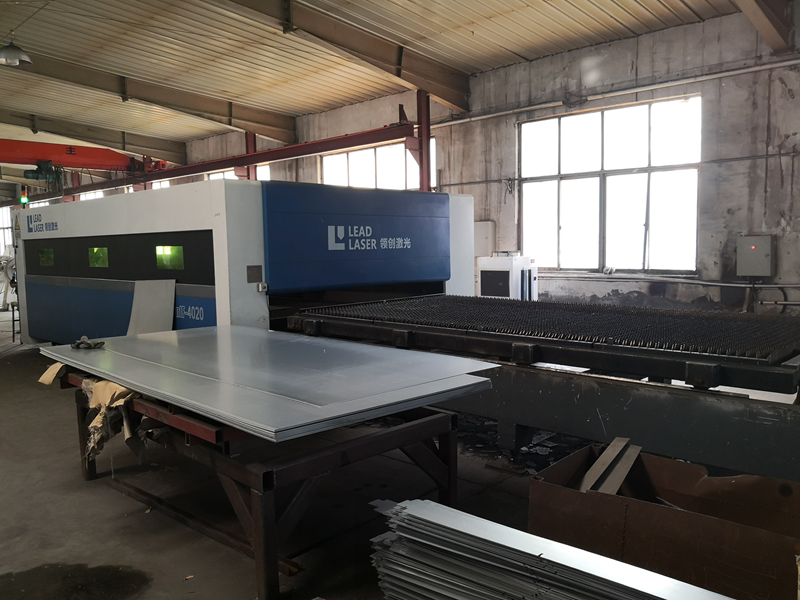

Fully Automated Roll Forming Production Line

Hot-dip Galvanizing Production Line

Electroplating Production Line
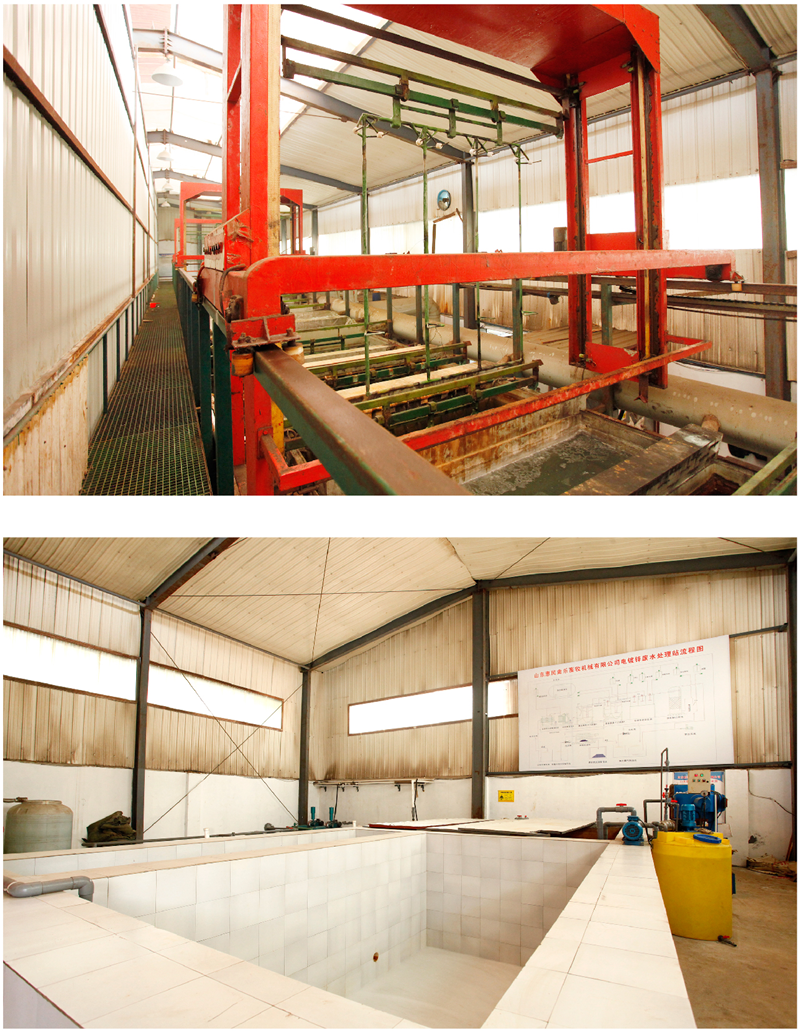
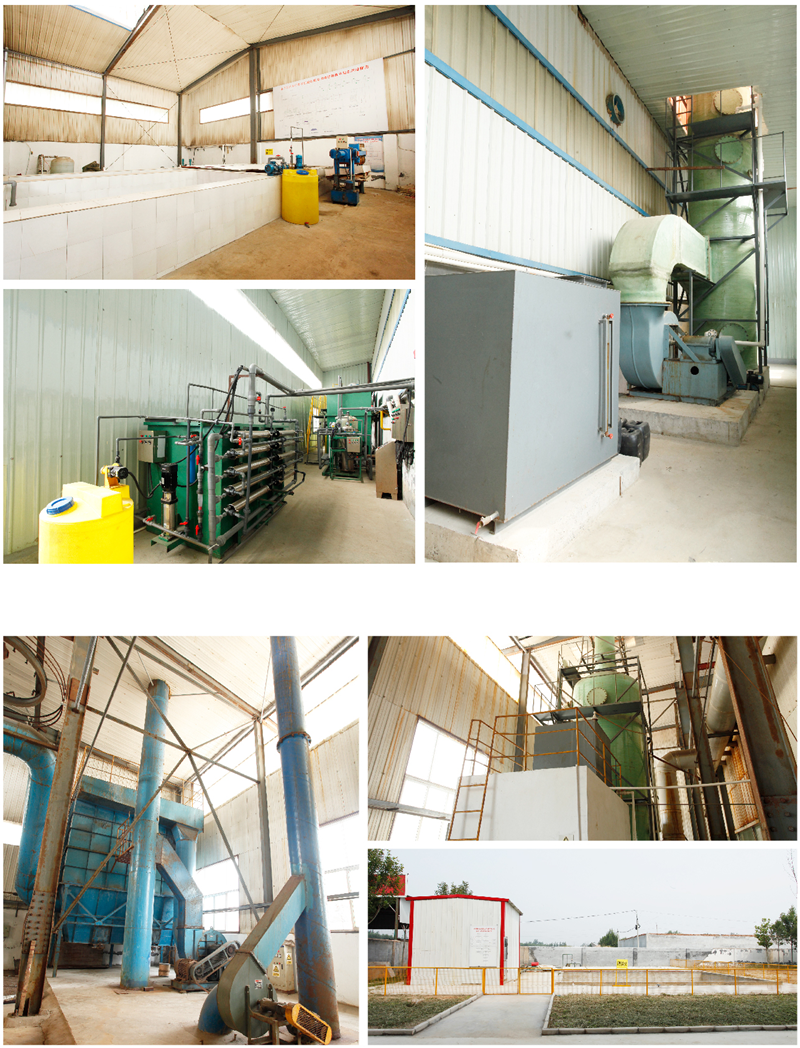
Environmental Protection Equipment
Chicken Farming Equipment Product Series
Egg-laying Hen Farming Equipment
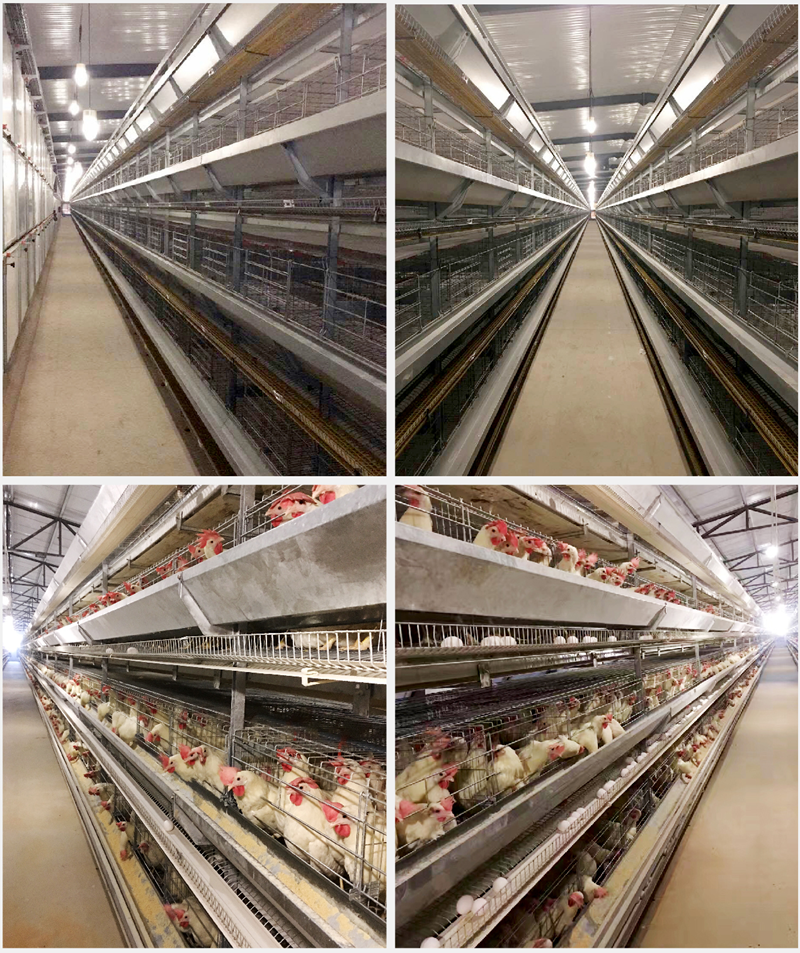
Stacked Brooding Cage Equipment

Stacked Broiler Cage Equipment
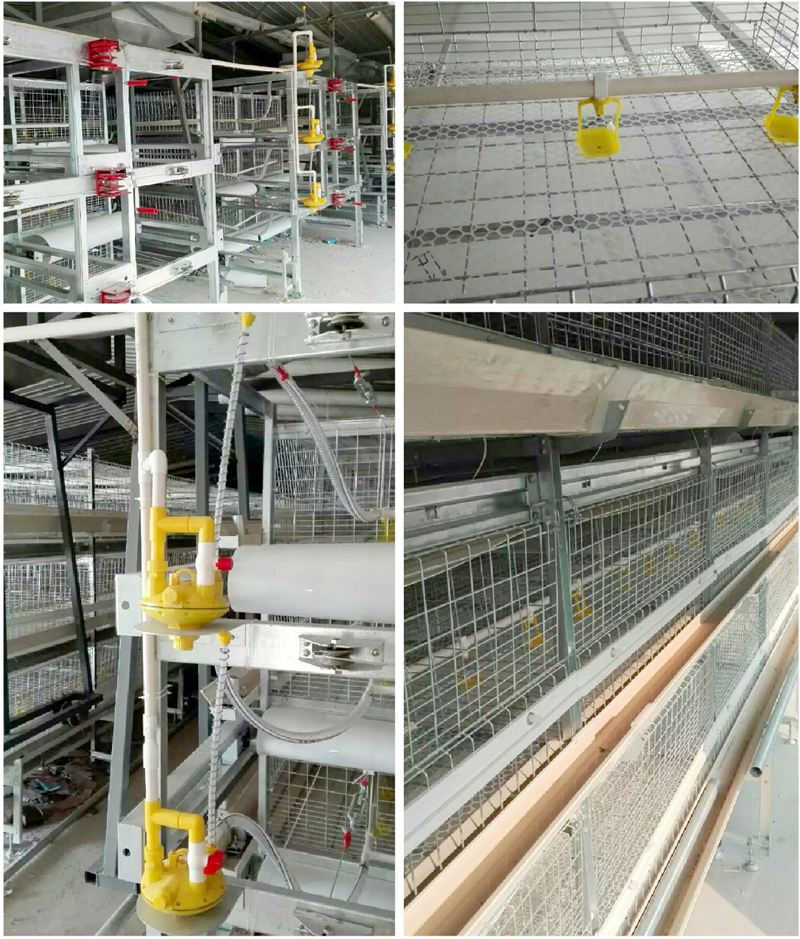
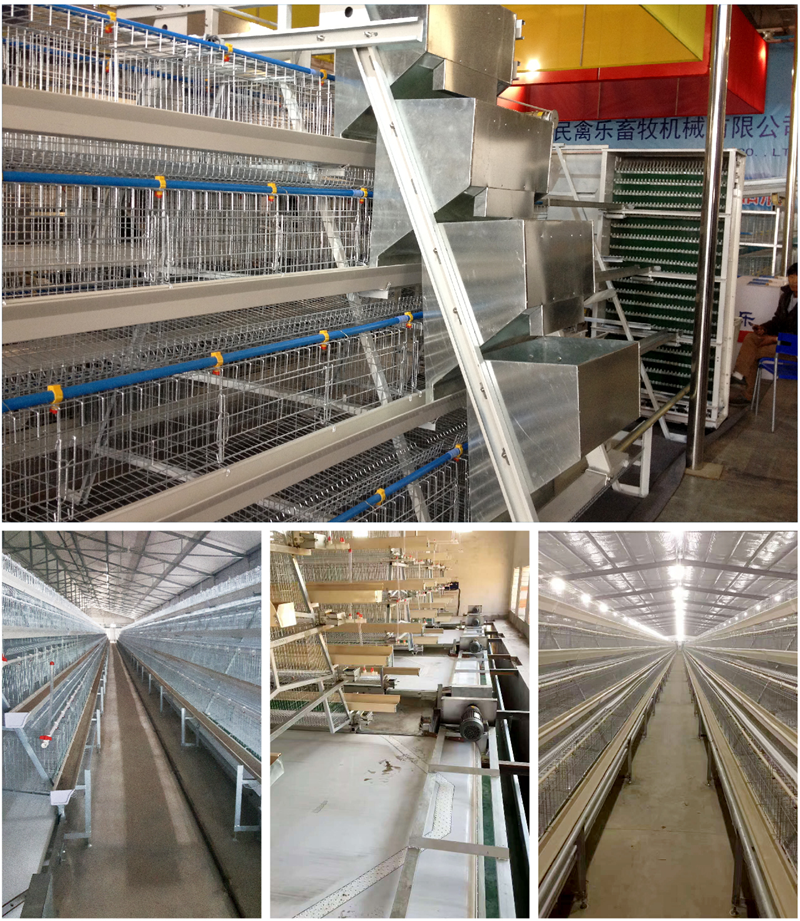
Stepped Layer Hen Cage Rearing Equipment
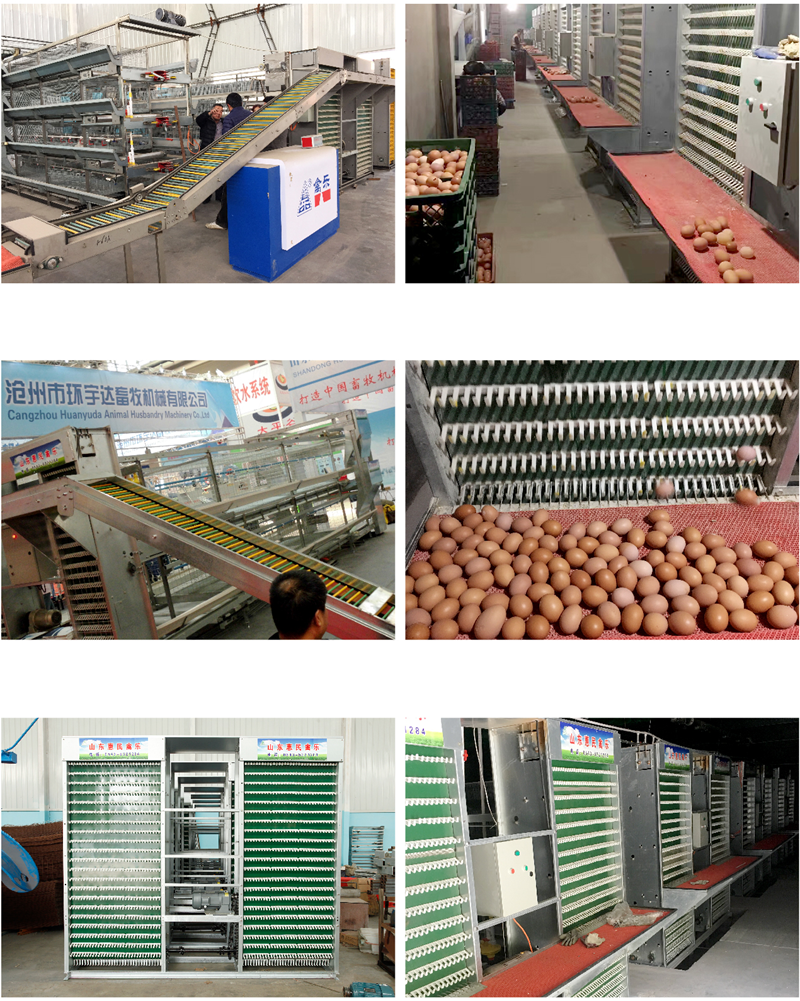
Automatic Egg Collection System
H-type Cage Feeding Machine
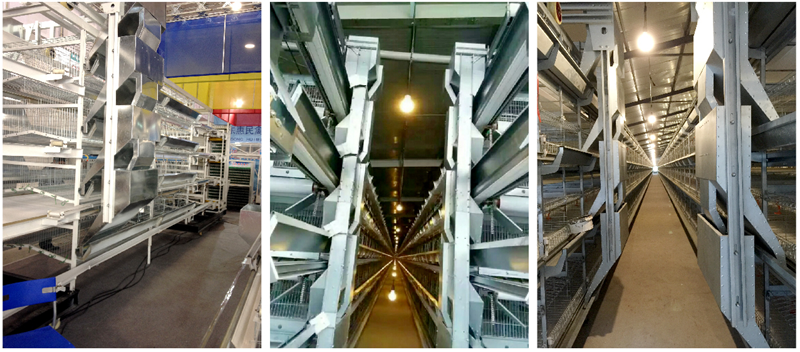
Stepped Cage Straddle Feeder
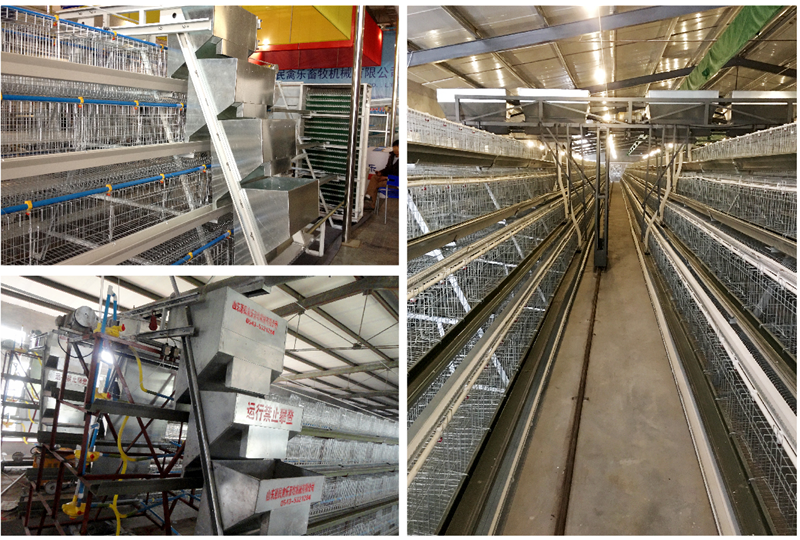
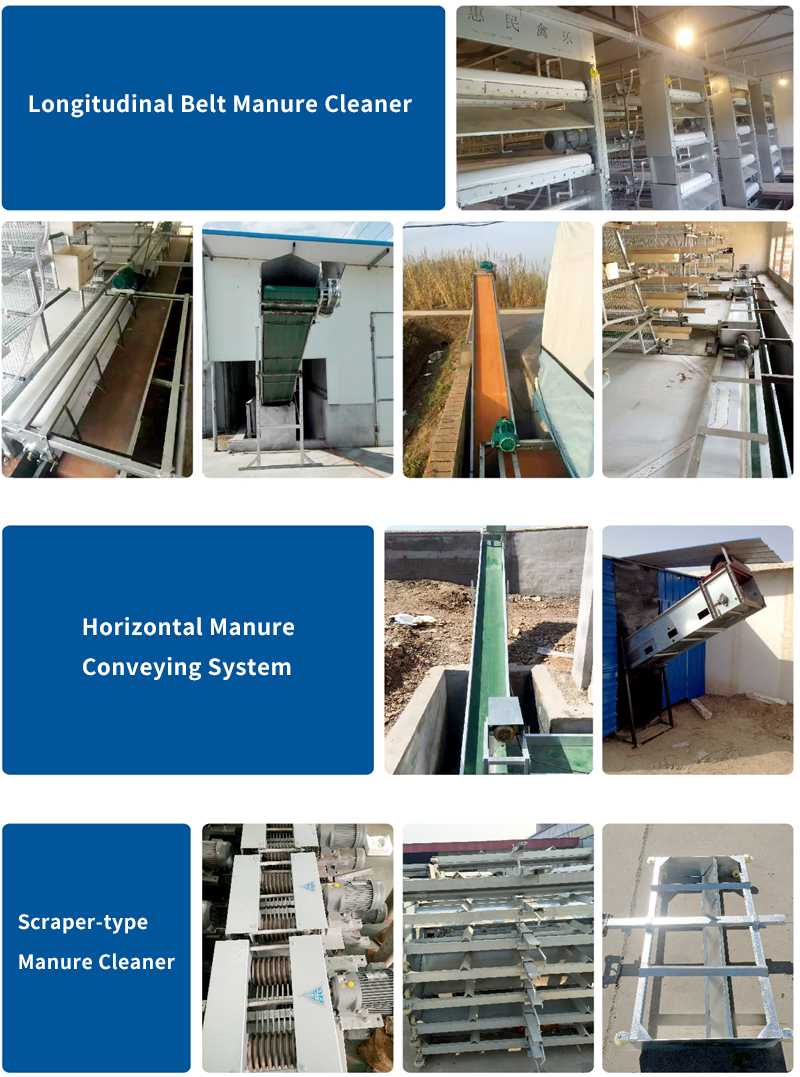
Manure Removal Machine
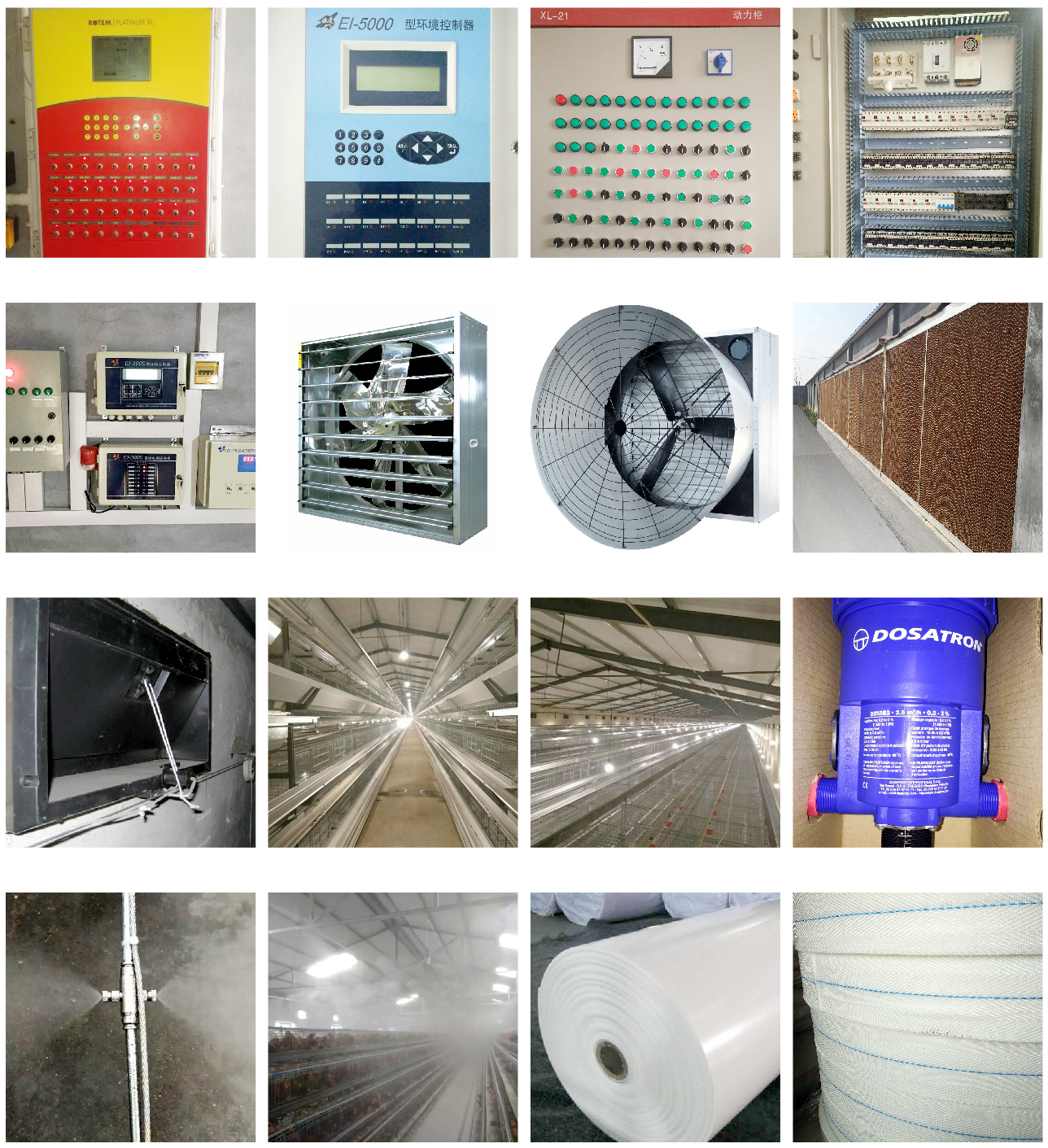
Fans, Heated Curtains, Environmental Control Systems, and Lighting Equipment
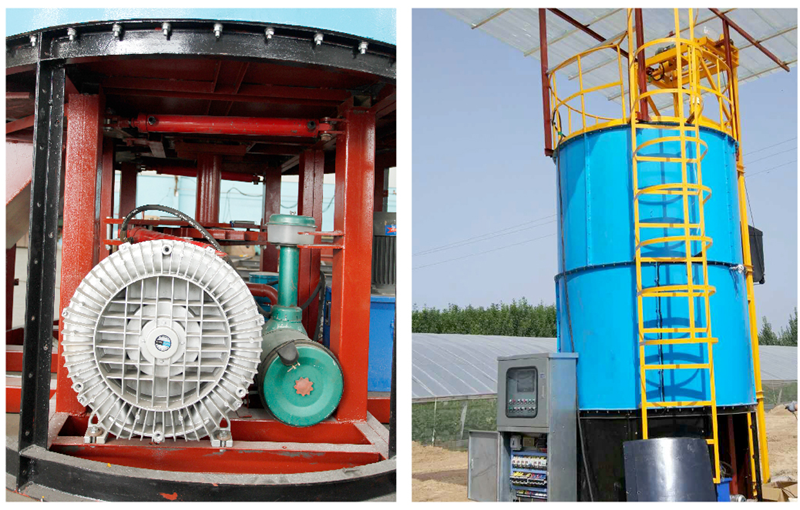
Complete Set of Equipment for Organic Fermentation Treatment of Manure
Kukiler teswirnamasy
 English
 Pусский
 Français
 العربية
 Indonesia
 қазақ
қазақ o'zbek
 Кыргызча
 тоҷикӣ
 Catalogue



 Whatsapp
 Telefon