

1. Introduction to Chicken Pellet Machine
A Chicken Pellet Machine is a specialized Feed Processing Machine designed to convert raw feed ingredients such as corn, soybean meal, wheat bran, vitamins, minerals, and other additives into uniform, high-quality pellets specifically formulated for chickens. This machine plays a crucial role in modern poultry farming by producing nutritionally balanced, easy-to-digest feed pellets that promote healthy growth, improve feed efficiency, and enhance egg and meat production.
With rising demand for poultry products globally, efficient and cost-effective feed production has become a priority for poultry farmers. The chicken pellet machine ensures consistent pellet quality, reduces feed waste, and improves feeding management by producing pellets that minimize dust and separation of nutrients.
These machines range from small, affordable units suited for small farms to large-scale industrial pellet mills capable of producing tons of feed per hour for commercial poultry operations.
2. Technical Parameters of Chicken Pellet Machine
2.1 Capacity and Size
Production Capacity | 200 kg/h – 10,000 kg/h |
Pellet Diameter | 1.5 mm – 6 mm (customizable) |
Power Consumption | 15 kW – 150 kW |
Voltage | 220V / 380V / 415V, 50/60 Hz |
Machine Weight | 500 kg – 5000 kg |
Dimensions | Varies by model, typically 1500 x 1000 x 1200 mm and above |
Die Material | Hardened alloy steel or stainless steel |
Noise Level | ≤ 85 dB |
2.2 Structural Components
Feeding Hopper: Designed for smooth raw material input.
Pellet Die: Interchangeable dies to control pellet size and thickness.
Rollers: Apply pressure to raw materials forcing them through the die.
Motor: Provides power to drive the pelleting process.
Cooling System: Reduces pellet temperature post-extrusion to prevent moisture accumulation.
Control Panel: PLC or manual controls for operation management.
2.3 Optional Add-ons
Automatic feeding system
Bagging and packaging equipment
Dust collection systems
Lubrication systems
Steam conditioning units
3. Key Features of Chicken Pellet Machine
3.1 Efficient Pellet Production
Optimized motor and gear design provide high production rates with lower energy consumption, making the machine cost-effective for continuous operation.
3.2 Adjustable Pellet Size
By changing the die plate, pellet sizes can be customized to meet the nutritional and physical requirements of different chicken breeds and growth stages.
3.3 Durable Build Quality
Constructed with high-grade steel and corrosion-resistant materials to withstand harsh operating conditions and ensure longevity.
3.4 Uniform Pellet Quality
Ensures pellets are dense and uniform, which promotes better feed intake and nutrient absorption.
3.5 Easy Operation and Maintenance
User-friendly interfaces and modular designs allow quick die changes, cleaning, and troubleshooting.
3.6 Low Noise and Pollution
Equipped with noise reduction features and dust collection systems to provide a safer and cleaner working environment.
3.7 Automated Control Options
Advanced models incorporate PLC control for automated feeding, temperature regulation, and emergency stops.
4. Advantages of Using a Chicken Pellet Machine
4.1 Cost-Effective Feed Production
On-site feed production reduces dependency on expensive commercial feed, allowing farmers to optimize ingredient sourcing and reduce costs.
4.2 Improved Chicken Health and Growth
Pelleted feed reduces selective feeding and ensures chickens receive a balanced diet, leading to faster growth, better feed conversion, and higher egg production.
4.3 Minimized Feed Waste
Pellets reduce dust and wastage compared to loose feed, ensuring feed efficiency and less environmental contamination.
4.4 Enhanced Biosecurity
Producing feed on-farm minimizes exposure to contaminated external feed sources, reducing the risk of disease transmission.
4.5 Scalability and Flexibility
Machines are available in a range of capacities suitable for small farms to large commercial operations.
4.6 Environmental Benefits
Efficient use of raw materials and reduced feed spillage contribute to a lower environmental footprint.
5. Application Scenarios
5.1 Small to Medium Poultry Farms
Affordable pellet machines cater to family-run farms producing daily feed requirements.
5.2 Large-Scale Commercial Poultry Operations
Industrial pellet mills support mass feed production for thousands of birds.
5.3 Feed Mills and Factories
Feed manufacturing businesses use pellet machines to produce and sell chicken feed.
5.4 Hatcheries and Breeder Farms
Specialized feed pellets for chicks and breeders promote early growth and productivity.
5.5 Agricultural Cooperatives
Collective feed production to support multiple small farms.
6. Usage Instructions for Chicken Pellet Machine
6.1 Preparation Before Use
Inspect all mechanical components and electrical connections.
Ensure lubrication points are serviced.
Prepare raw materials by grinding to the appropriate size and adjusting moisture content to about 12-15%.
6.2 Operating Procedure
Start the motor and check for abnormal noises.
Feed raw material evenly into the hopper.
Monitor pellet formation quality; adjust roller pressure and die speed if needed.
Collect pellets from the outlet and pass them through the cooling system.
Package or store the pellets properly.
6.3 Shutdown Procedure
Stop feeding material and run the machine empty for a few minutes.
Turn off the power and clean the hopper, die, and rollers.
Perform routine lubrication and maintenance.
7. Maintenance and Troubleshooting
7.1 Routine Maintenance
Regularly clean the pellet die and rollers to prevent clogging.
Inspect and replace worn parts such as dies and rollers promptly.
Check lubrication levels weekly.
Tighten bolts and fasteners to avoid vibrations.
7.2 Common Problems and Solutions
Pellets too soft or crumbly | Low moisture or roller pressure | Increase moisture or roller pressure |
Machine overheating | Overload or poor lubrication | Reduce load, lubricate bearings |
Feed blockage | Raw material too coarse or wet | Grind material finer, dry properly |
Noise and vibration | Loose bolts or worn bearings | Tighten fasteners, replace bearings |
8. Frequently Asked Questions (FAQ)
Q1: What raw materials can I use with a chicken pellet machine?
Corn, soybean meal, wheat bran, rice bran, fish meal, bone meal, vitamins, minerals, and other additives.
Q2: Can I adjust pellet size?
Yes, pellet size can be customized by changing the die plate.
Q3: How often do I need to replace the die?
Typically, every 6-12 months depending on usage and raw material abrasiveness.
Q4: Is steam conditioning necessary?
Steam improves pellet quality but is optional for small-scale operations.
Q5: What is the power consumption range?
It varies from 15 kW for small machines to over 150 kW for large industrial units.
Q6: Can I automate the feeding process?
Yes, many machines support automation with PLC control and feeding systems.
9. Conclusion
The Chicken Pellet Machine is an indispensable tool for modern Poultry Feed Production, enabling farmers and feed manufacturers to produce high-quality pellets that improve animal health and farm profitability. With versatile capacity options, durable construction, and advanced features, these machines help optimize feed efficiency, reduce waste, and meet diverse poultry nutrition needs.
For those looking to improve feed management and lower costs, investing in a reliable chicken pellet machine offers excellent returns and supports sustainable poultry farming practices.
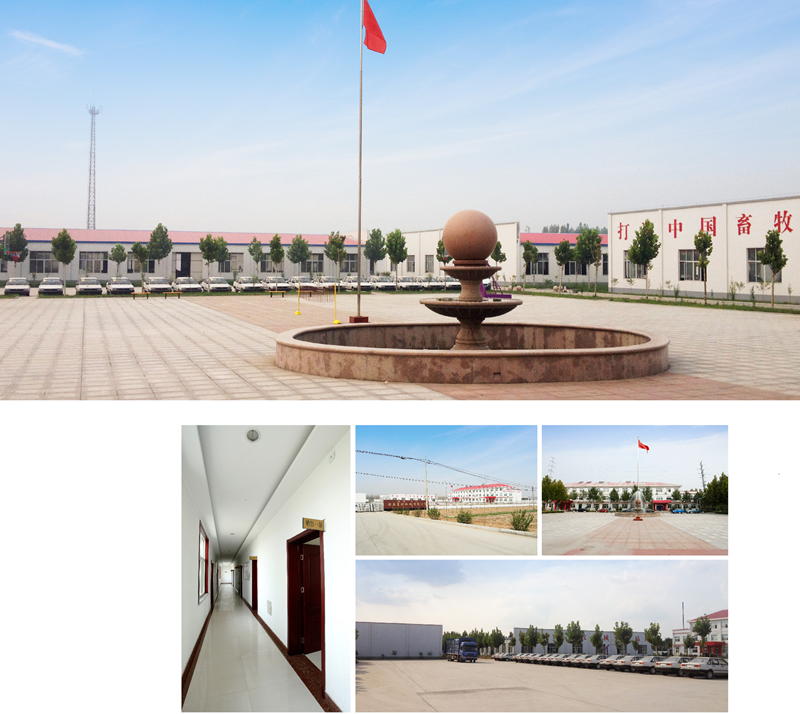
Shandong Huimin Qinle Livestock Machinery Co., Ltd. (formerly Shandong Huimin Qinle Livestock Machinery Factory) is a professional poultry equipment manufacturer with over 20 years of experience. We offer a comprehensive service package, from design (land and chicken coops), production (equipment and prefabricated steel coops), installation, commissioning, customer training, and after-sales service.
Located in Huimin County, Binzhou City, Shandong Province, China, the company has extensive experience in mechanical processing and manufacturing, as well as livestock machinery production and operation. With fixed assets of RMB 15 million, the company employs 160 people, including 30 R&D staff, and occupies a 40,000-square-meter factory. Equipped with over 110 pieces of advanced precision production equipment, including CNC machining centers and laser cutting machines, the company boasts a production capacity of RMB 50 million.
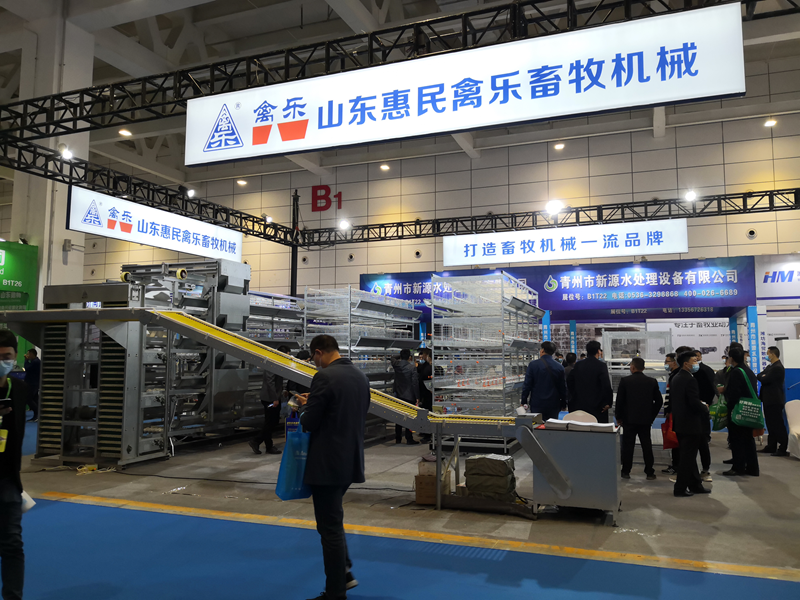
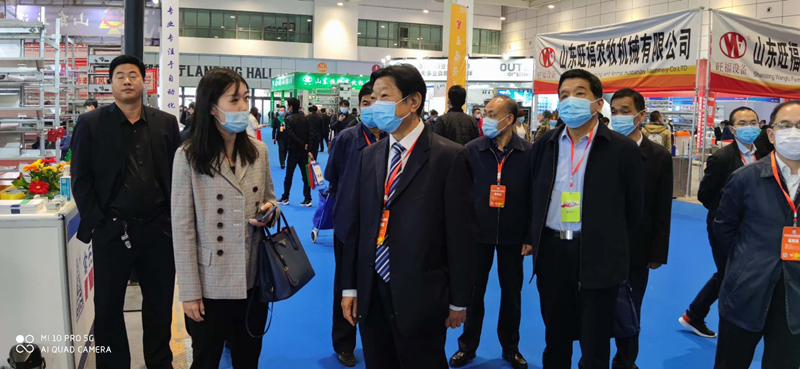
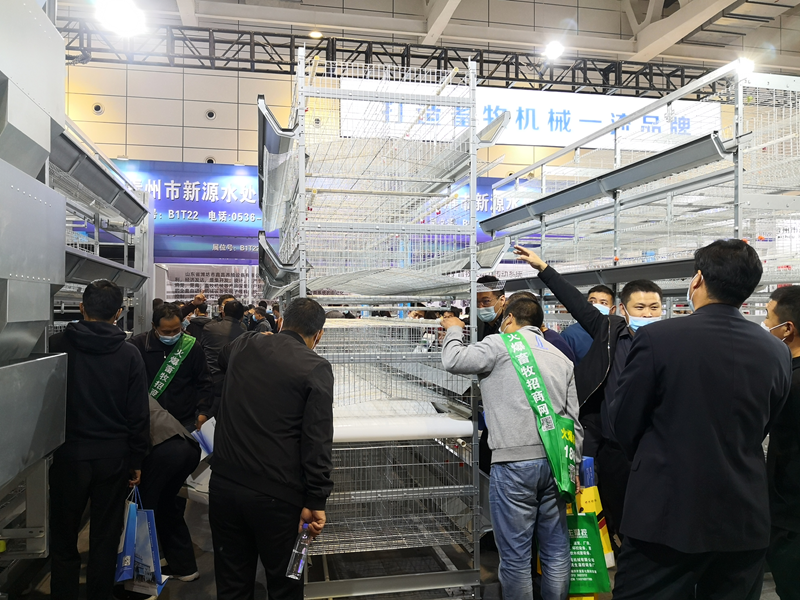
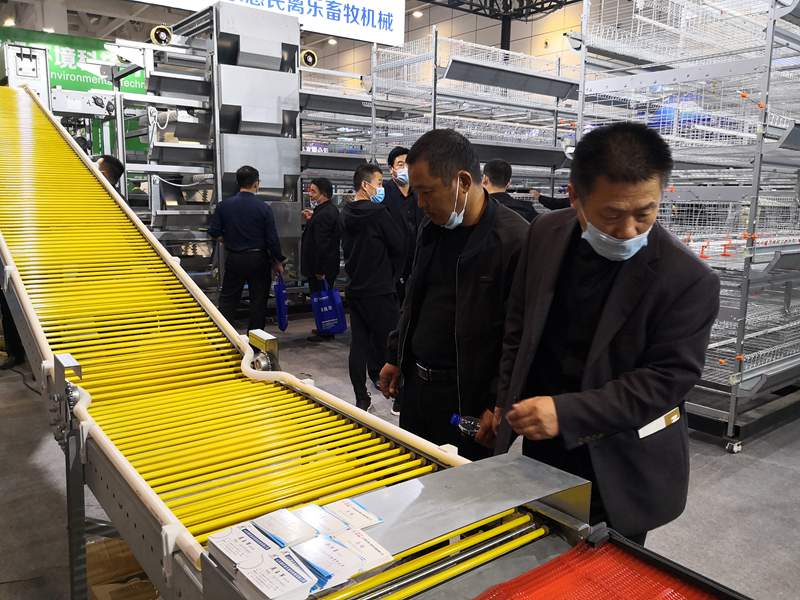
Chicken Farming Equipment Mesh Production Workshop

Machining Workshop
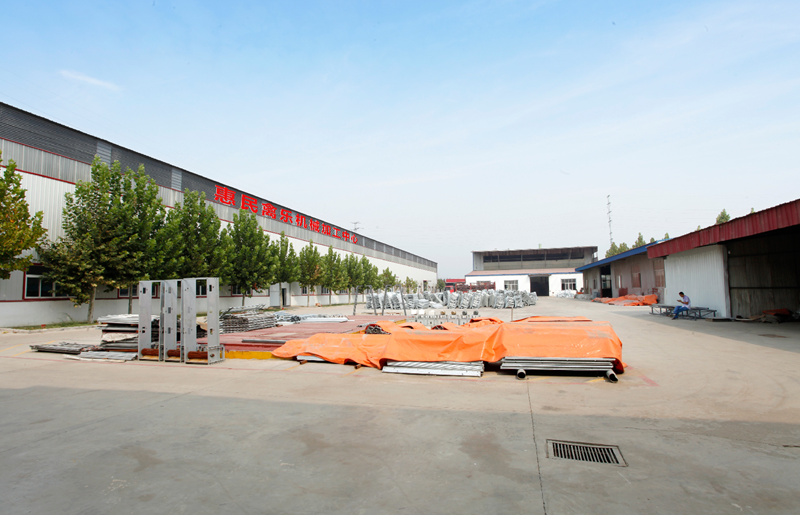
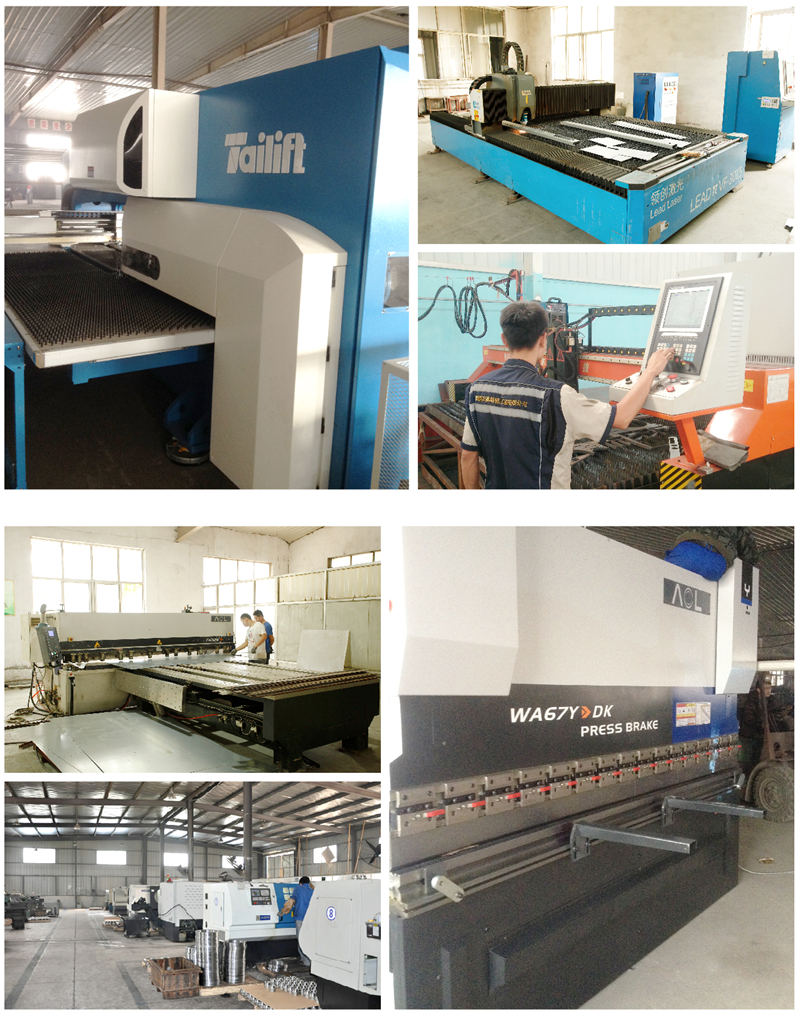
Turret-type CNC Punch Press, Laser Cutting and Other Machining Equipment
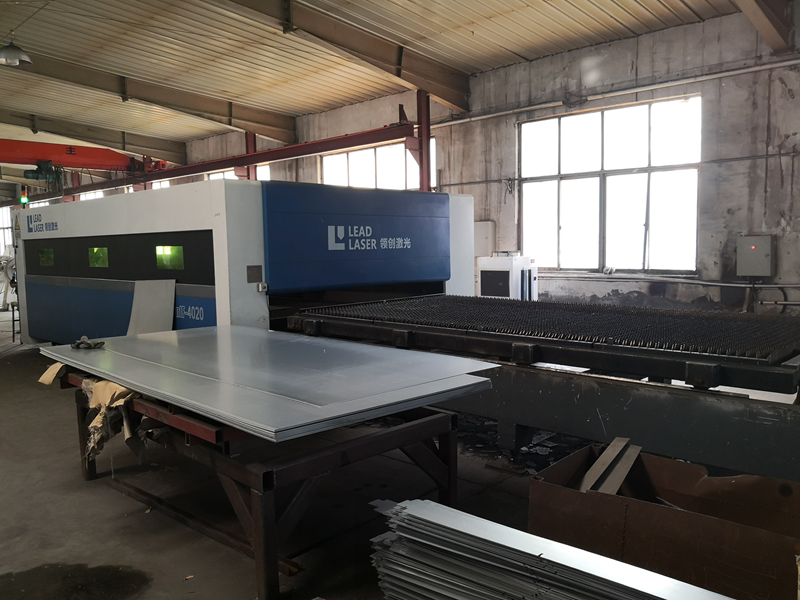

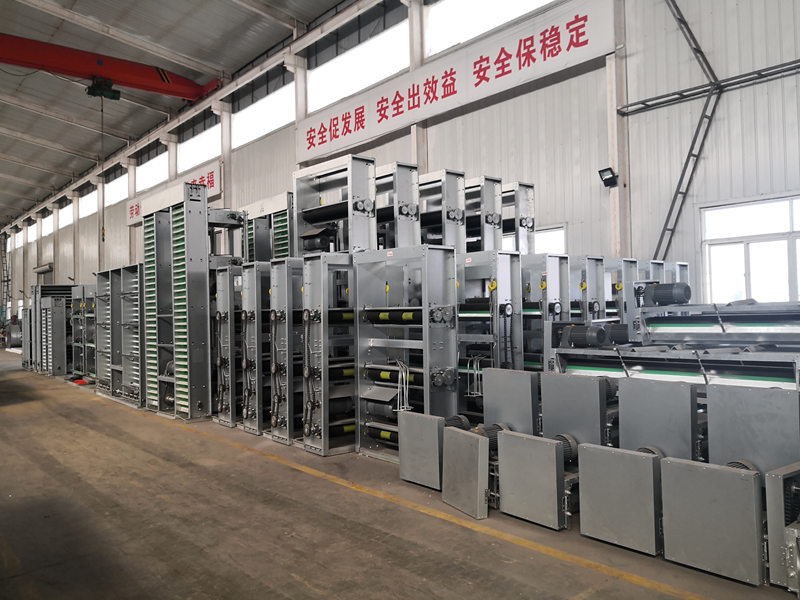
Fully Automated Roll Forming Production Line

Hot-dip Galvanizing Production Line

Electroplating Production Line
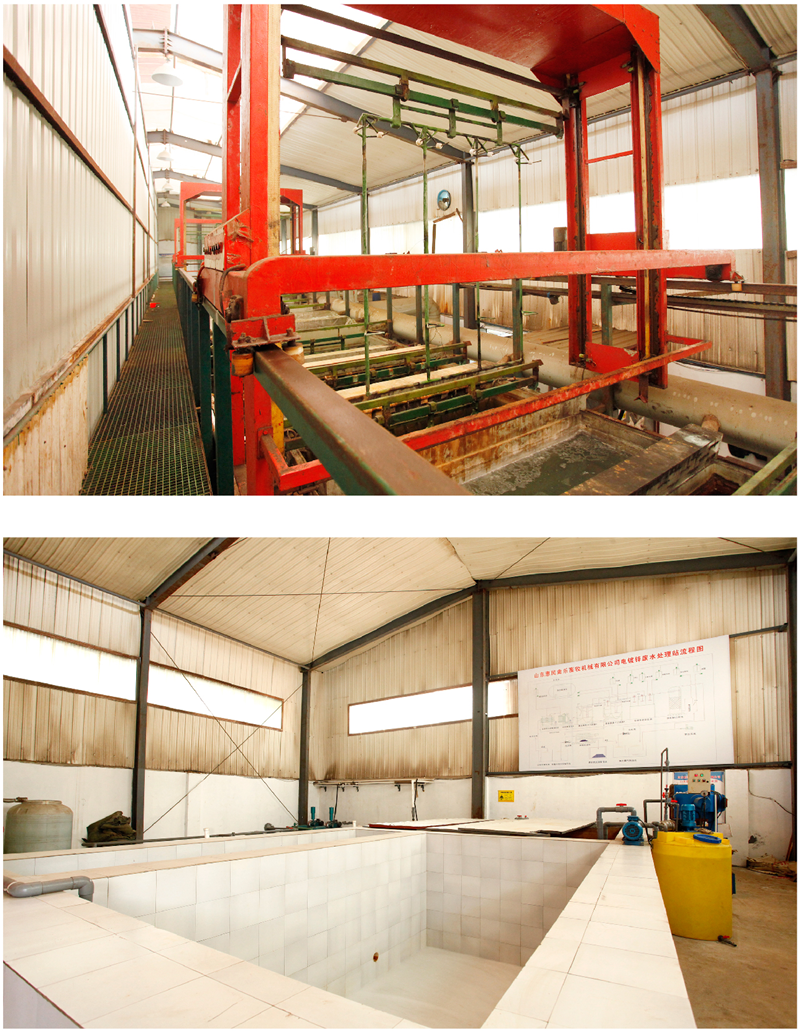
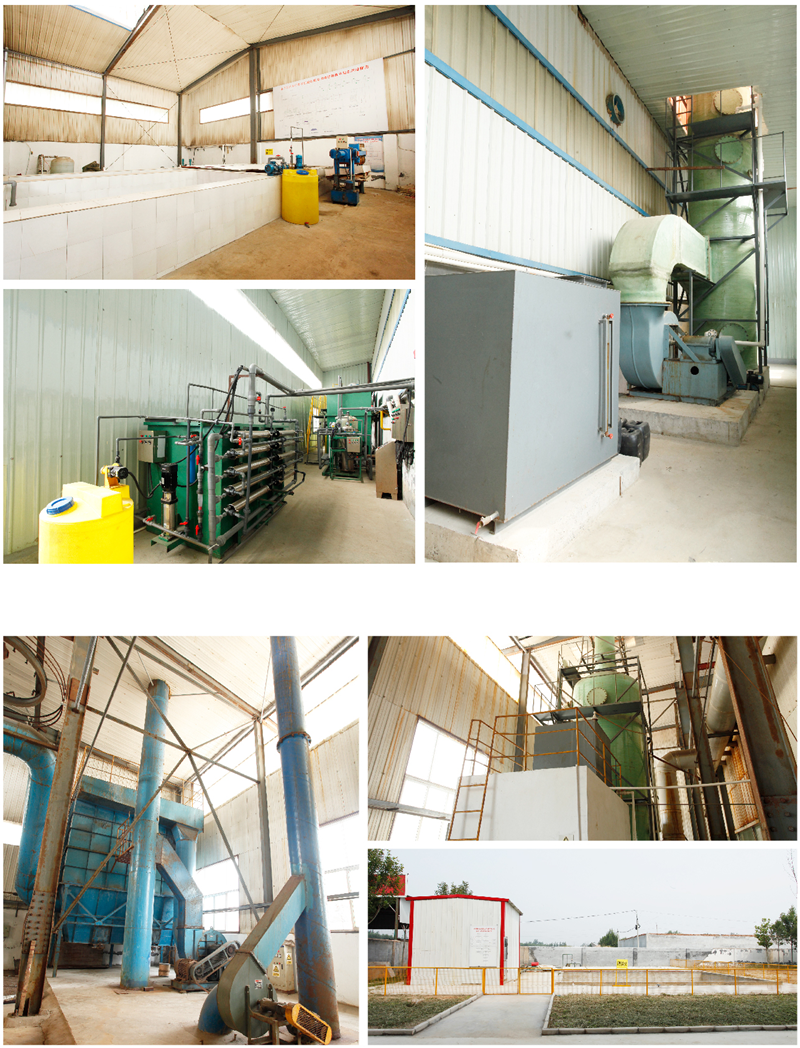
Environmental Protection Equipment
Chicken Farming Equipment Product Series
Egg-laying Hen Farming Equipment
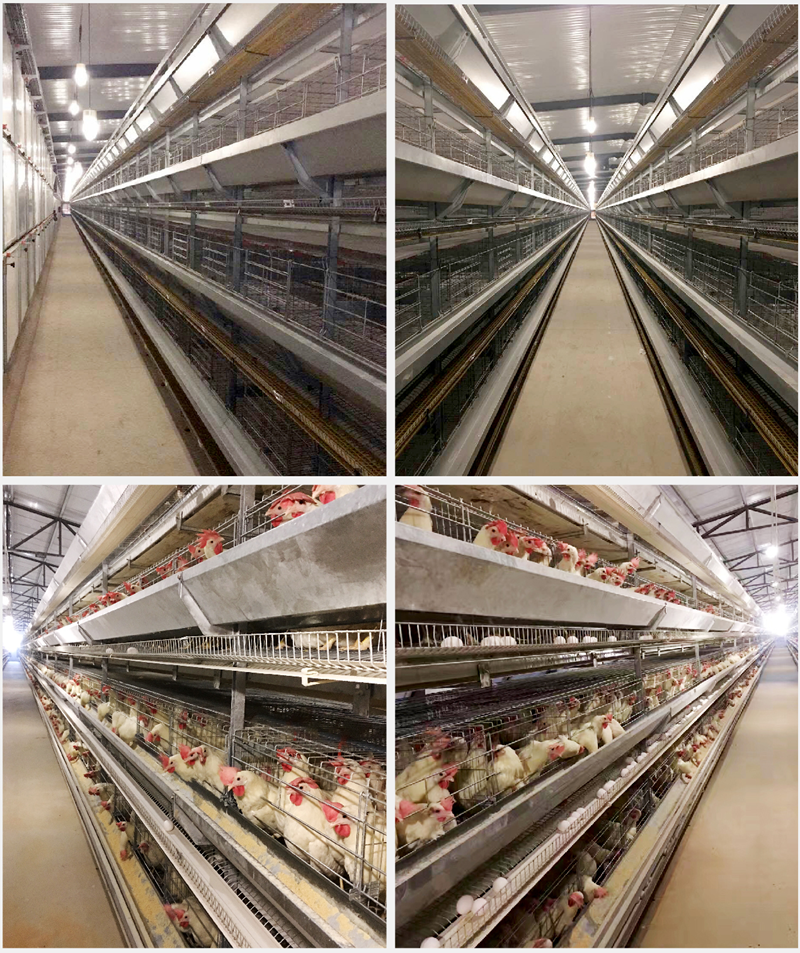
Stacked Brooding Cage Equipment

Stacked Broiler Cage Equipment
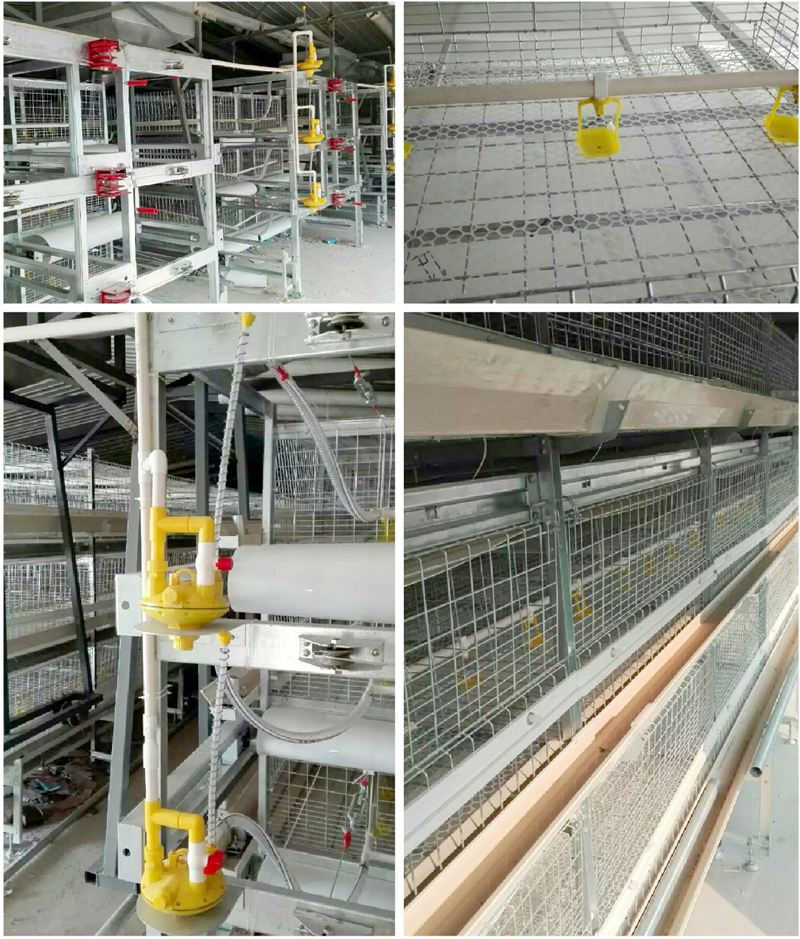
Stepped Layer Hen Cage Rearing Equipment
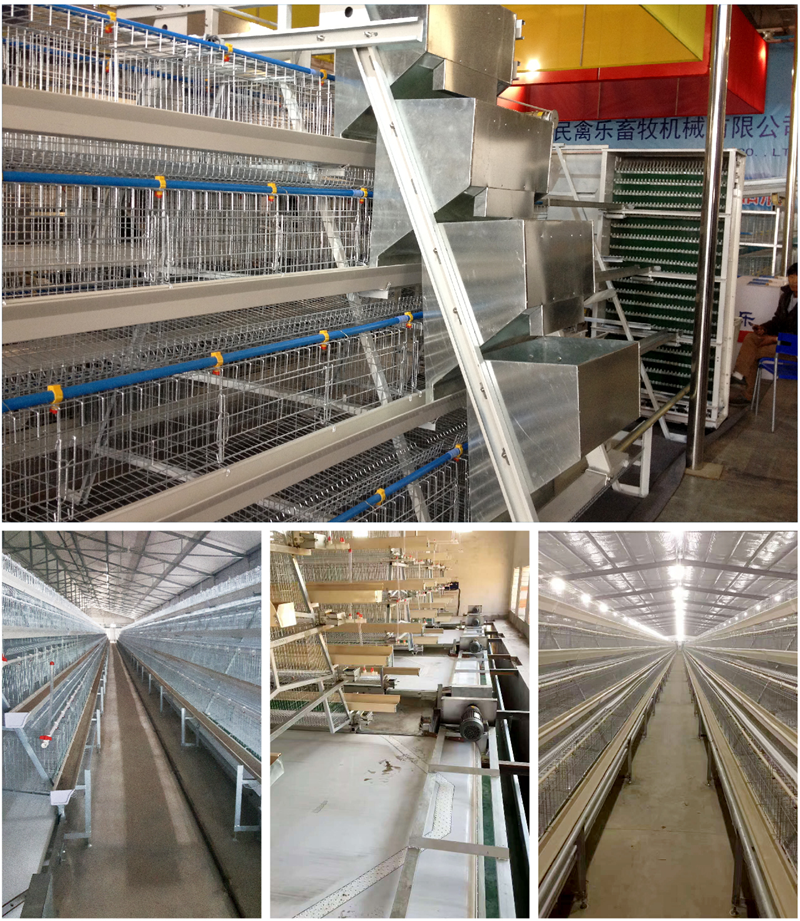
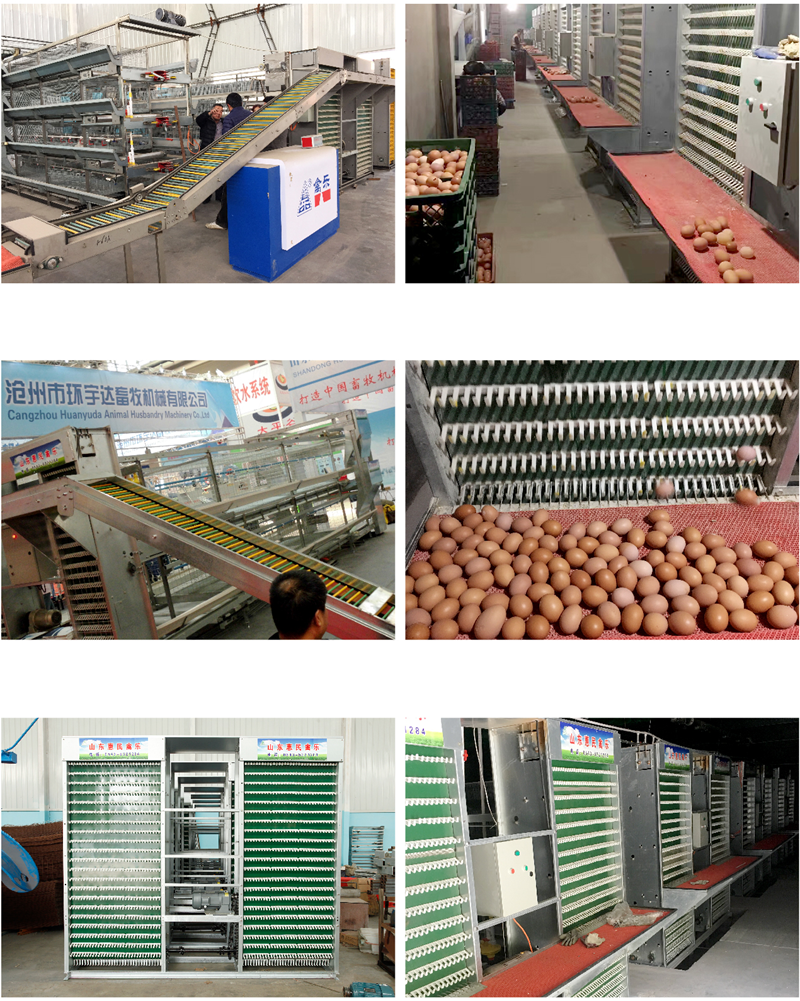
Automatic Egg Collection System
H-type Cage Feeding Machine
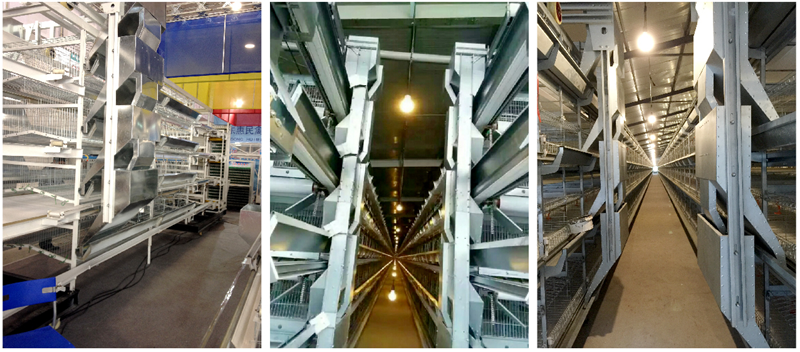
Stepped Cage Straddle Feeder
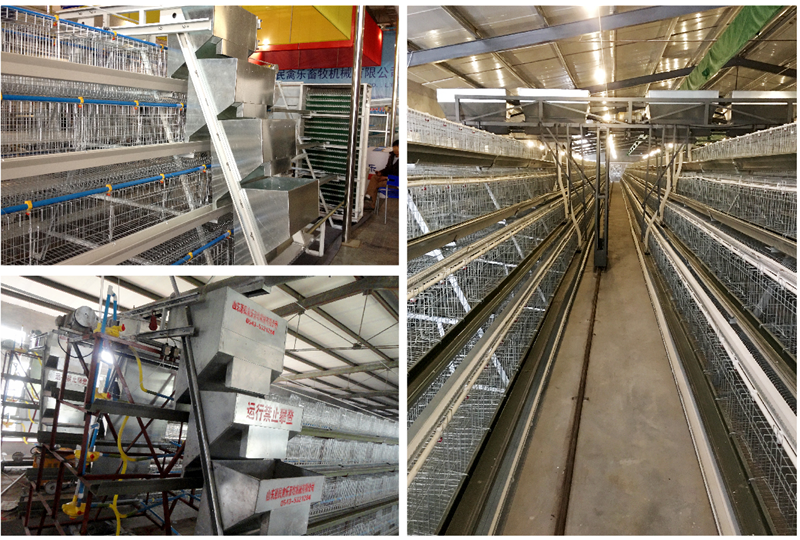
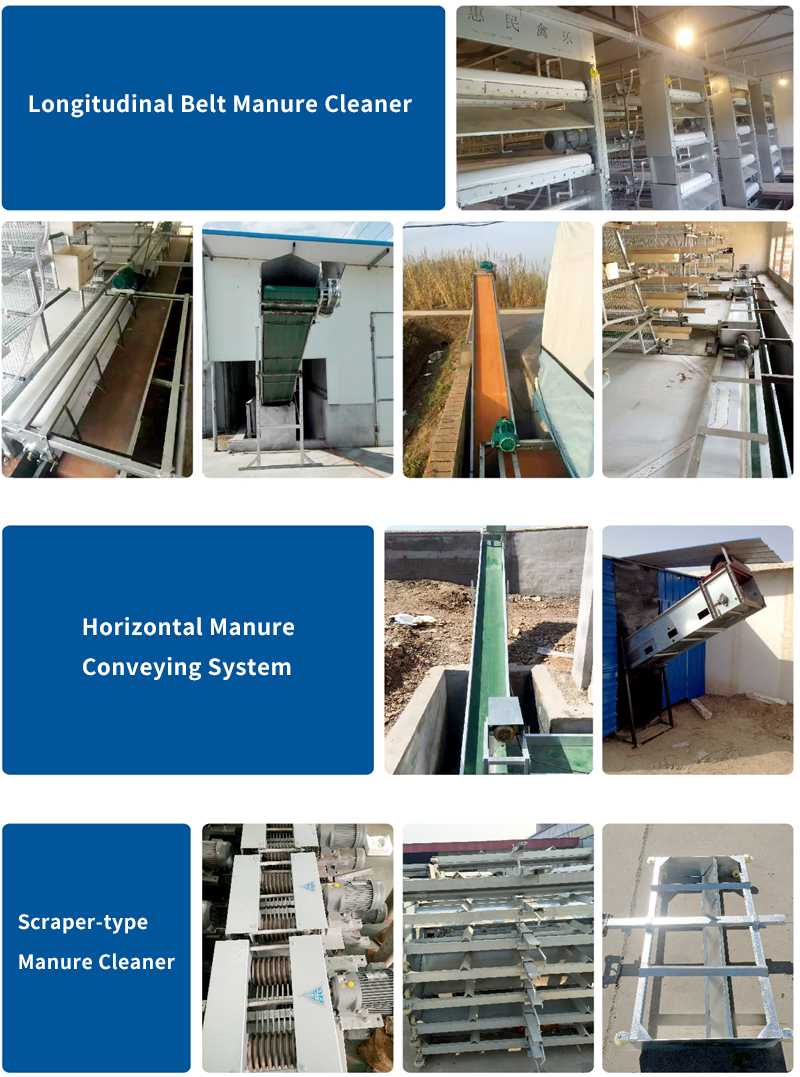
Manure Removal Machine
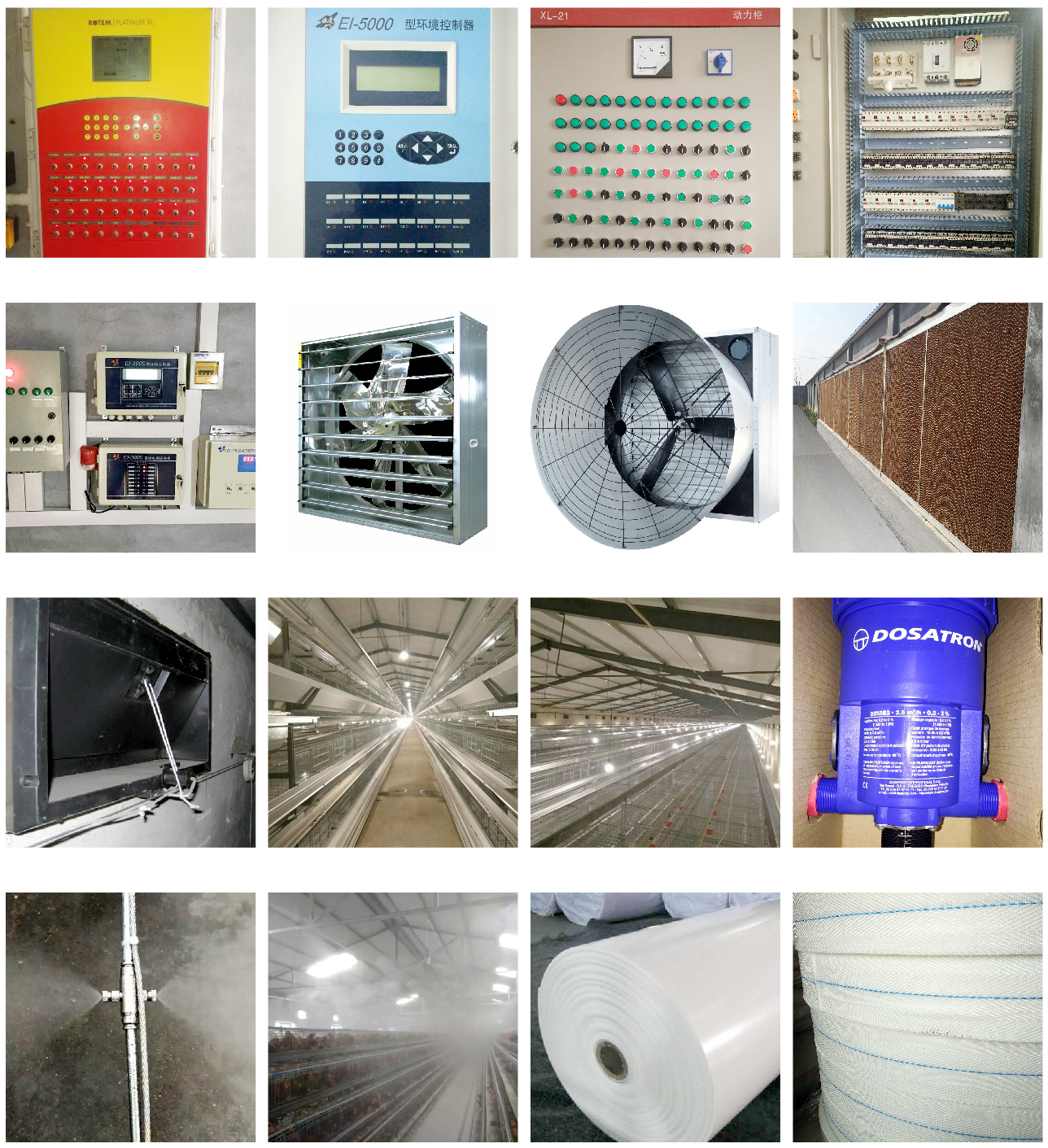
Fans, Heated Curtains, Environmental Control Systems, and Lighting Equipment
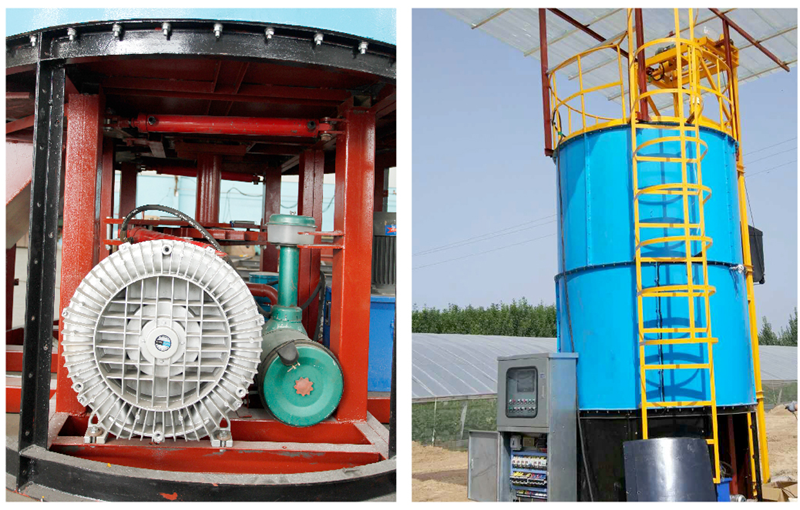
Complete Set of Equipment for Organic Fermentation Treatment of Manure
 RELATED
Kukiler teswirnamasy
 English
 Pусский
 Français
 العربية
 Indonesia
 қазақ
қазақ o'zbek
 Кыргызча
 тоҷикӣ
 Catalogue



 Whatsapp
 Telefon